About me
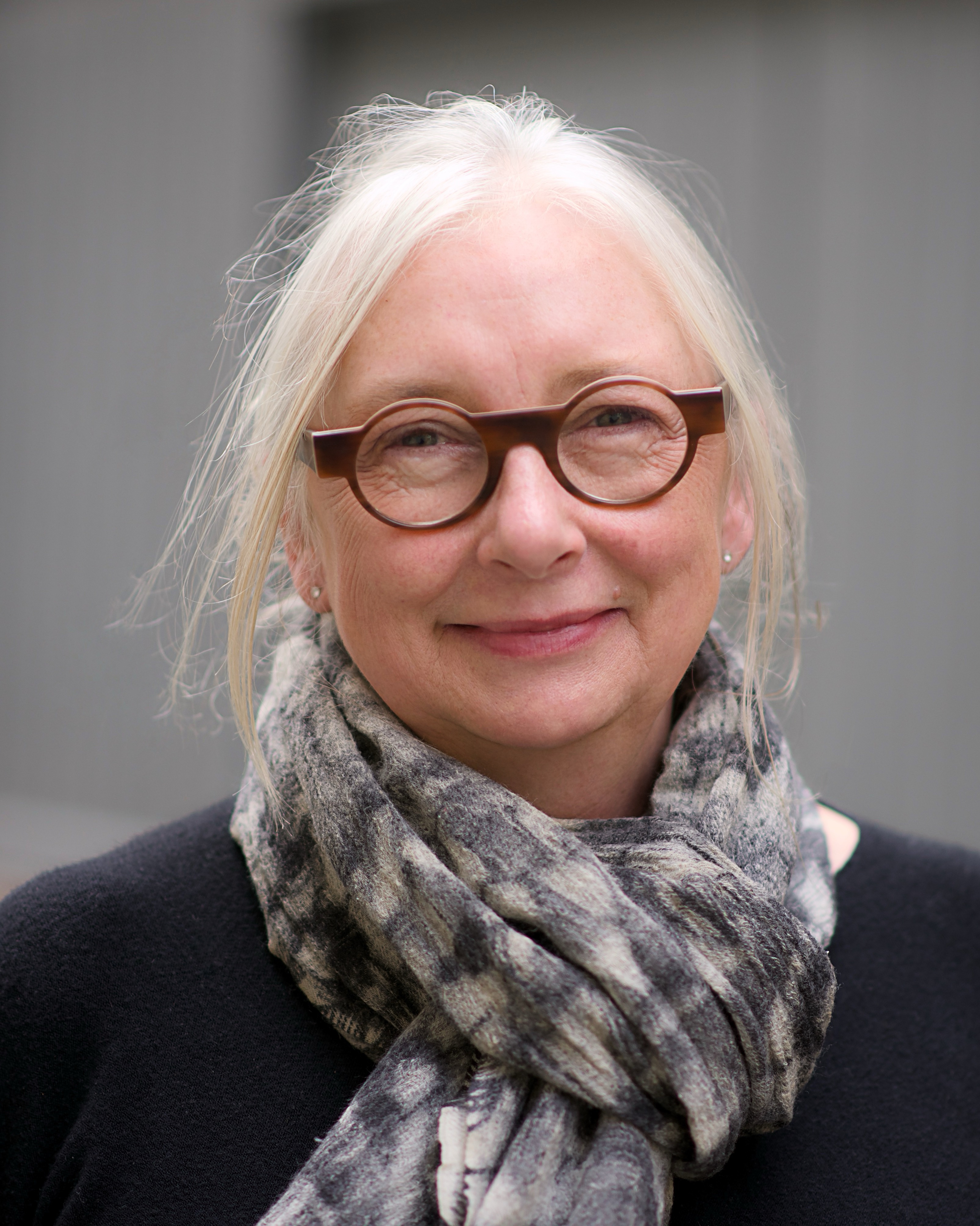
I’m a writer, and a literary translator from French, with a focus on literature, art, heritage, travel, interiors/decoration, food and drink. I also host holiday retreats for writers, artists, translators and travellers (astonishing or otherwise) in France and the Old Home Town in SE Wales. “Astonishing Travellers” tries to keep everything up together, with (very) occasional posts about this, that, and more besides.
I hold an MA in English, literary translation and art history from the University of Cambridge (Queens’ College), and an MPhil. in broadly the same from the University of London Institute in Paris (ULIP). My monograph Matisse: The Books (2020) grew out of this research and is published by Thames & Hudson (UK), the University of Chicago Press (US) and Einaudi (Italy). I’m delighted that two further books on Matisse are in the pipeline, for publication in 2026 and 2027.
Before translation, I edited and wrote for Condé Nast, Thames & Hudson Ltd., Time Out Paris, the Cadogan Guides and more. On moving to France, I pivoted to literary and “commercial” translation, transcreation and copywriting for a stable of clients in the French museum, culture and luxury sectors. Writing on art history (currently, Henri Matisse) came later. A collection of short stories, and other things, may come next…
About “Astonishing Travellers”
It’s the borrowed, translated name of a literary festival held annually in Saint Malo: Etonnants voyageurs. Every writer and artist is an astonishing traveller, and many of my favourites have journeyed between continents, cultures, media, genders, classes. Books connect minds across space and time, and translated books, especially, grow wings.
Saint Malo’s islets are home to the tomb of the author and essayist Châteaubriand, erected in the face of pettyfogging local objections, scandal and opprobrium. At high tide, the Romantic hero is cut off, at peace with the sea and sky, but at low tide a causeway (my cover picture) is exposed. Time and tide may isolate us from great writing or art, but they may also lay bare the connections that existed all along. Translation can help us across.
About AI…
I refuse to license the feeding of my creative work to AI, and while one or two publishers have announced the use of AI for their translated “genre” lists, I find most contracts now forbid translators from using AI, doubtless due to Very Bad Experiences. Like the time I rescued an unpublishable, outsourced non-fiction book for a long-standing, valued client. Thinking to save time and money, the outsourced publisher had used AI to translate, and a non-native English speaker to post-edit. My line check against the French original, with extensive re-writes and marginal explanations, saved the day but greatly extended the schedule and budget, because post-editing against the original takes about twice as long as translating the text myself. And post-editing without checking against the original allows mis-translations unconnected to grammar to creep in. I use online tools for individual words or input on a tricky phrase, but that’s as far as it goes, and I always cross-check…
Photograph by Camilla França.
Memberships
Society of Authors / UK Translators Association Member since 2005, elected committee member, 2016-18.
Institute of Translation & Interpreting Qualified member, by examination, 2001: specialist subject Art History.
UNESCO Accredited external translator (by examination, 1999).
Contact
Please write, follow, like and generally reach out via:
E-mail
Bluesky: @louiserl.bsky.social
Instagram and Threads: @louise_in_wales_and_france
Linkedin
Twitter (no longer posting, but checking in occasionally): @LLalaurie
 Astonishing travellers
Thank you! I enjoyed your post about paintings of the ‘Rape of Europa’ – a subject treated by Matisse, including a drawing in one of hislivres d’artiste, discussed in my book.
Matisse is coming soon in the series) thank you!